Saturday, November 13, 2027 - Bangkok – Ayutthaya World Heritage – Phitsanulok
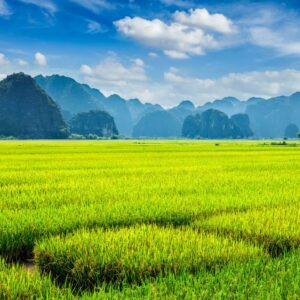
Check out of the hotel. Today, begin stepping back in time to experience the grandeur of the ancient Siamese Kingdom. After breakfast, depart from Bangkok by motorcoach for a pleasant 50-mile drive through the rice fields of Thailand’s vast central plains to Ayutthaya, formerly the capital of Thailand from 1350 to the 18th century, and the Bang Pa-In Royal Summer Palace, established in the 17th Century as a summer retreat for the Kings of Ayutthaya. Bang Pa-In holds an eclectic collection of buildings in a variety of architectural styles. Aisawan Thippaya-at Pavilion, built in the middle of a pond, is one of the most photographed architectural treasures of the Kingdom. Other remarkable buildings include an elaborate Chinese-style palace, a Royal Observatory, and a number of residential mansions for Queens and Royal Consorts. Stroll around the immaculate park-like com-pound, and if you have time, pay a short visit to the adjacent island temple, Wat Niwet Thammaprawat, via a “monk-powered” cable car over the river channel. The highly unusual Gothic chapel was built in 1878, complete with stained glass windows reminiscent of a Christian church. Continue a short distance away to an island formed by the confluence of the Chao Phraya, Pasak, and Lopburi Rivers – the ancient capital city of Ayutthaya was larger and more prosperous than London or Paris in its time. In addition to being the seat of power for over four centuries (1350-1767), it was also a thriving commercial center, with European ships and Chinese junks sailing up the Chao Phraya to trade.
Visit some of the most significant ancient temples in Ayutthaya Historical Park, including Wat Mahathat and Wat Phra Si Sanphet, and the ruins of the Royal Palace, which served as the inspiration for King Rama I when he began building his new capital in Bangkok. The magnificent ruins of Wat Chai Watthanaram, dating from Ayutthaya’s “Golden Era” (around 1630), was constructed by King Prasart Thong, who was born a commoner but became very powerful and eventually took the throne. One of the ways in which he attempted to gain the respect and allegiance of the nobility and the public was to invest heavily in art, religion, and culture. This temple, on the riverfront site of his mother’s home, contains an imposing Khmer-style prang as tall as a 9-story building, surrounded by eight smaller stupas linked by a long gallery decorated with bas relief depictions of the Buddha’s life. The foundation of what was once the congregation hall containing two seated Buddha images is in front, flanked by two bell-shaped pagodas, believed to have been built to enshrine the remains of the King’s mother. Also along the river is a chedi built to commemorate a famous Siamese Queen – Suriyothai – who, according to legend, sacrificed herself during battle in order to save her husband, the King, from certain death at the hands of Burmese attackers. The monument was built on the site of her funeral and cremation. We continue our journey heading north to Phitsanulok – the “town that teak built”. Situated on the boundary of Thailand’s central plains and the mountainous north, Phitsanulok has long been an important hub of commerce, communication, and transportation, and was the center for the timber trade before commercial logging was banned in the Kingdom. After checking in to your hotel and freshening up, depart for dinner at a local restaurant.