Tuesday, August 25, 2026 - Denizli, Colossae, Honaz, Laodicea, Pamukkale, Hierapolis
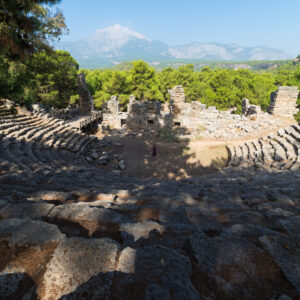
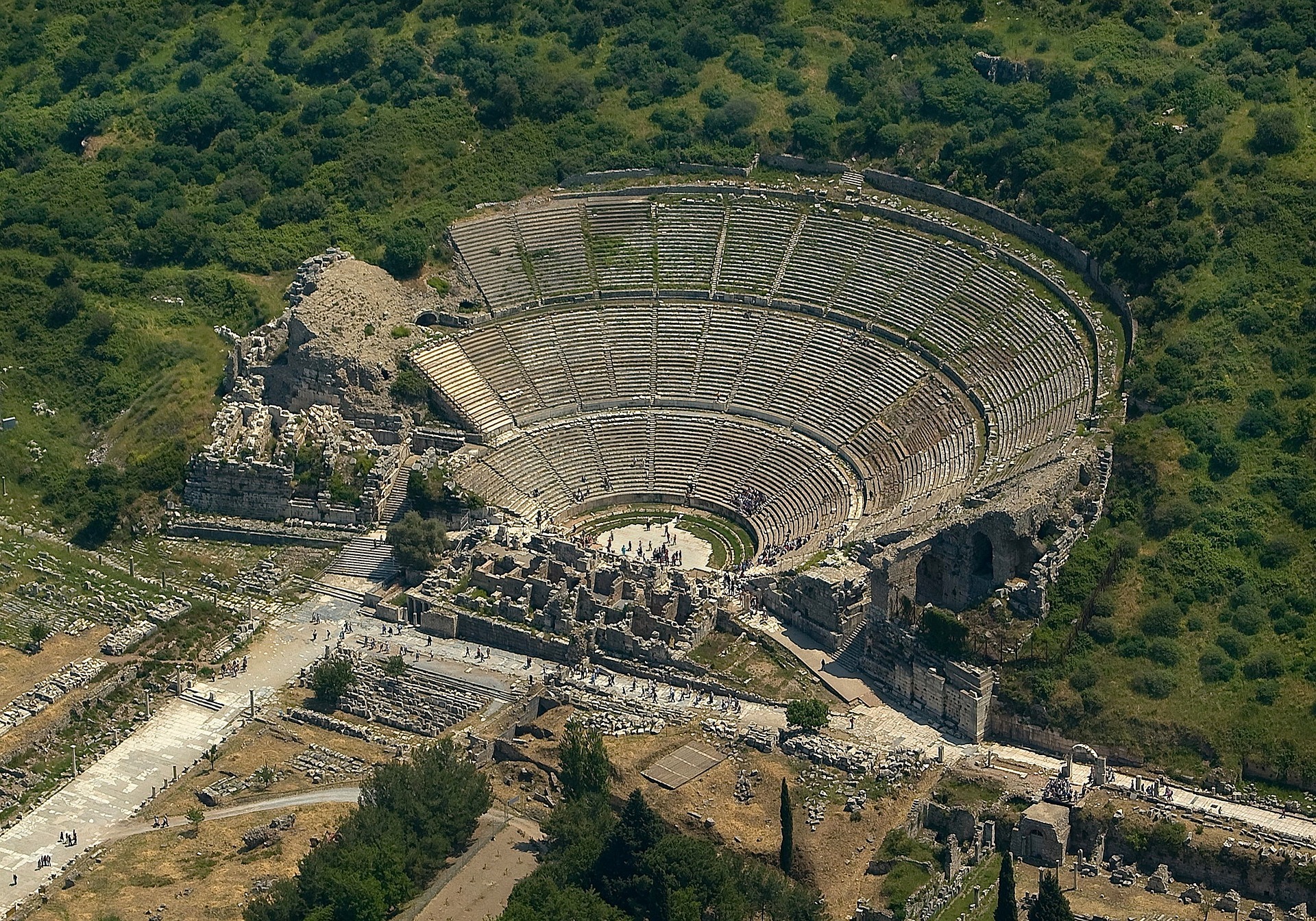
We will depart for Pamukkale early in the morning. On the way, we will visit the holy land of Colossae, which used to be a city of the Roman province of Asia, located near Honaz today. It holds an important place in Christian history as Saint Paul’s Epistle to the Colossians was addressed to a church here. This letter is estimated to have been written in around AD 60 or 65. It is possible that St. Paul was living in Ephesus when he sent the letter to Colossae (Acts 19:10). Paul had apparently not visited Colossae when he wrote his epistle, and it is likely the gospel was preached through Paul’s companion, Epaphras, who was from Colossae (Col. 1:7; 4:12-13). Members of the early Colossian church included Philemon and his slave Onesimus (Col. 4:9; Philem. 10, 23). After our visit to Colossae, we will visit the ancient Laodicea (present name Denizli) yet another of the Seven Churches of Asia Minor [Rev. 1:11; 3:14; Col. 2:1; 4:13 - 16]. Laodicea thrived as a major center of worship for the pagan goddess Aphrodite for about 500 years after Christ. The Christians of Laodicea, one of the Seven Churches, (Rev. 3: 14-22) were chastised for being lukewarm, "You are neither cold nor hot" (Rev. 3: 15), and for being too comfortable incorporating pagan and Christian beliefs. In the famous scripture from Revelation (3: 20- 21), Jesus says to the Laodicean Church: "Behold, I stand at the door and knock..." Today, excavations still continue in Laodicea uncovering an ancient city as beautiful as Ephesus with ancient theaters, marble paths lined with columns, basilica ruins, antique stone water pipes, temples, agora, and monumental fountains. After our arrival to Pamukkale city, we will have lunch and head for Hierapolis right away. Here, we will visit the Martyrium of the Apostle Philip where he was martyred during the persecutions ordered by Domitian. We will see the Gate of Domitian, the Arcadian Way, the ancient 2nd century Roman Theater, the Nymphaeum, the Temple of Apollo, the Plutonium, and the Necropolis. We will passthrough the Roman Gate, admire the ancient Pamukkale Theater, walk around the grave monuments built to honor heroes. Each tomb is a small work of art telling a different story. We will finish our day with a relaxing walk on the travertine terraces, which were created by flowing hot thermal waters releasing carbon dioxide and carbon monoxide into the air, leaving behind the white-colored calcium carbonate. Ending our tours today, we will stay overnight in a thermal hotel in Pamukkale.